Shopping & crafts
Kolhapur is a city you carry home — in chappals, jewellery, jaggery and masala. Here is how to buy well and buy real.
Kolhapuri chappals
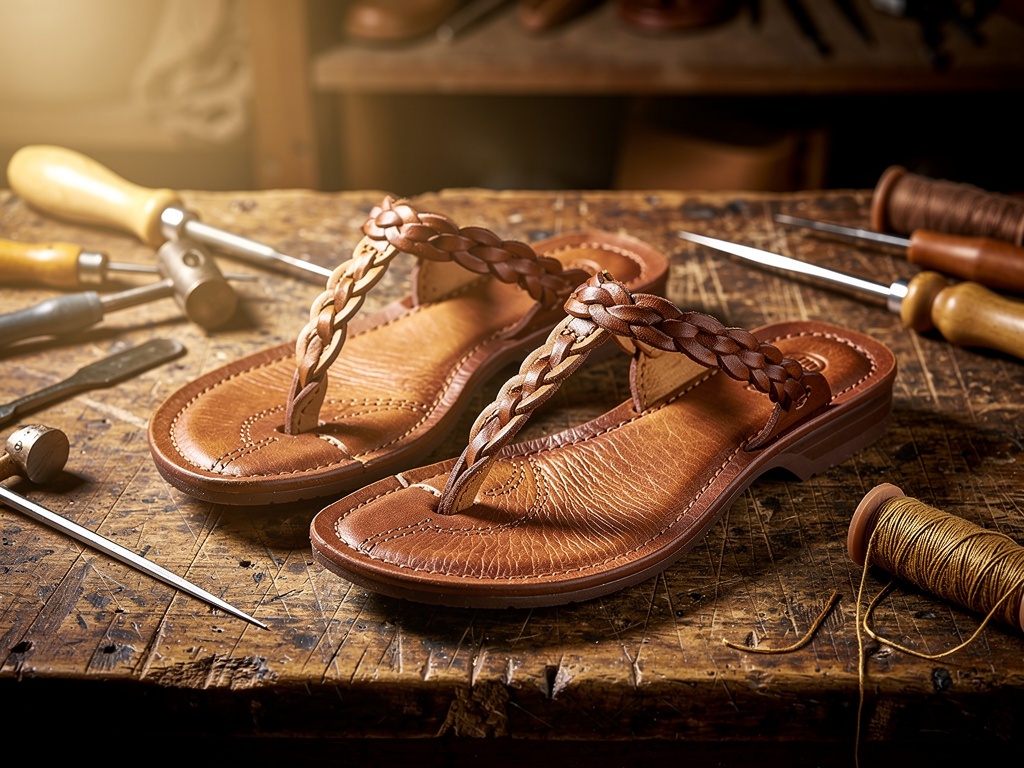
The Kolhapuri chappal is a GI-tagged craft with a history stretching back centuries. Made from vegetable-tanned leather — traditionally buffalo or goat hide — with the distinctive braided strap, they are hand-stitched, breathable and famously durable. The classic styles are the Kachkadi (open-toe) and the Patta (with a strap across the toe).
Genuine Kolhapuris are made in the city's workshops, not mass-produced. Prices are honest for the work — expect to pay more for real leather and fine stitching.
How to spot the real thing
- Real leather smells and flexes; synthetic ones are stiff and plasticky.
- Look at the stitching — hand-stitched straps are even and tight.
- Ask where it was made; genuine workshops are proud to say "Kolhapur."
- Buy from established shops or the Chappal Market near Mahadwar Road.
Saaj jewellery
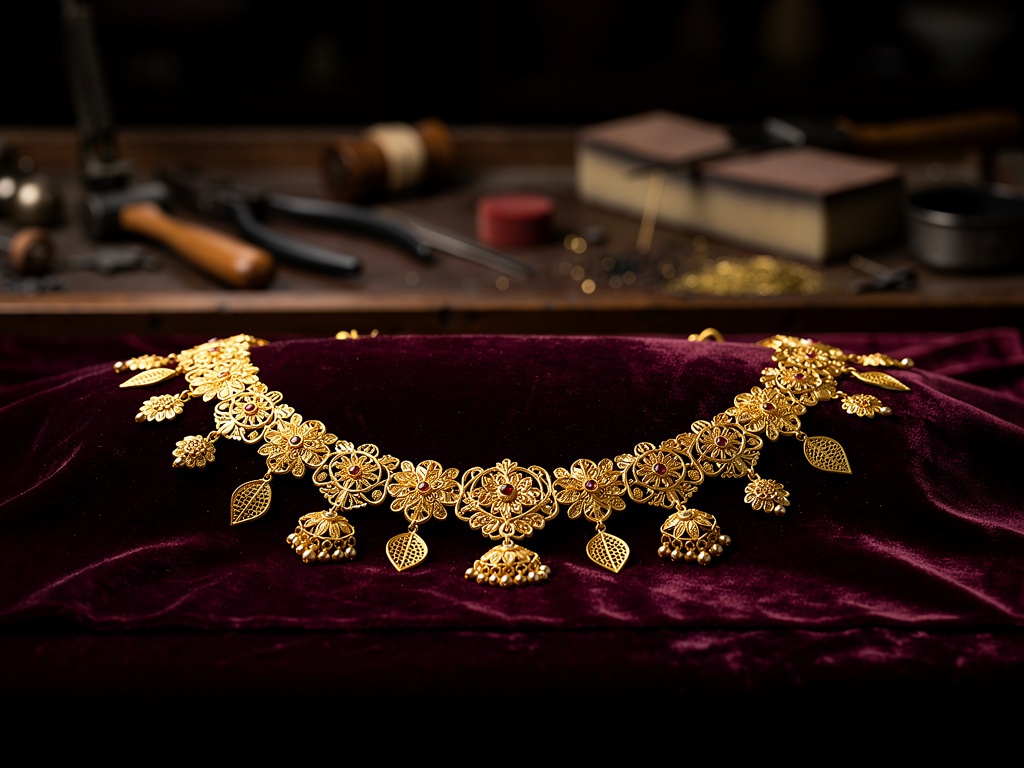
Saaj is Kolhapur's traditional gold jewellery — delicate, hand-beaten filigree work that is light, intricate and unmistakably local. The classic piece is the saaj necklace, but the craft extends to earrings, bangles and the nose rings (nath) that are part of Maharashtrian bridal wear.
Because saaj is hand-worked, no two pieces are identical — which is part of its charm. It is also a GI-tagged craft, and the workshops around the old city still beat the metal by hand. Buying saaj is an investment piece, so buy from established jewellers and ask for the purity certificate.
Jaggery & masala
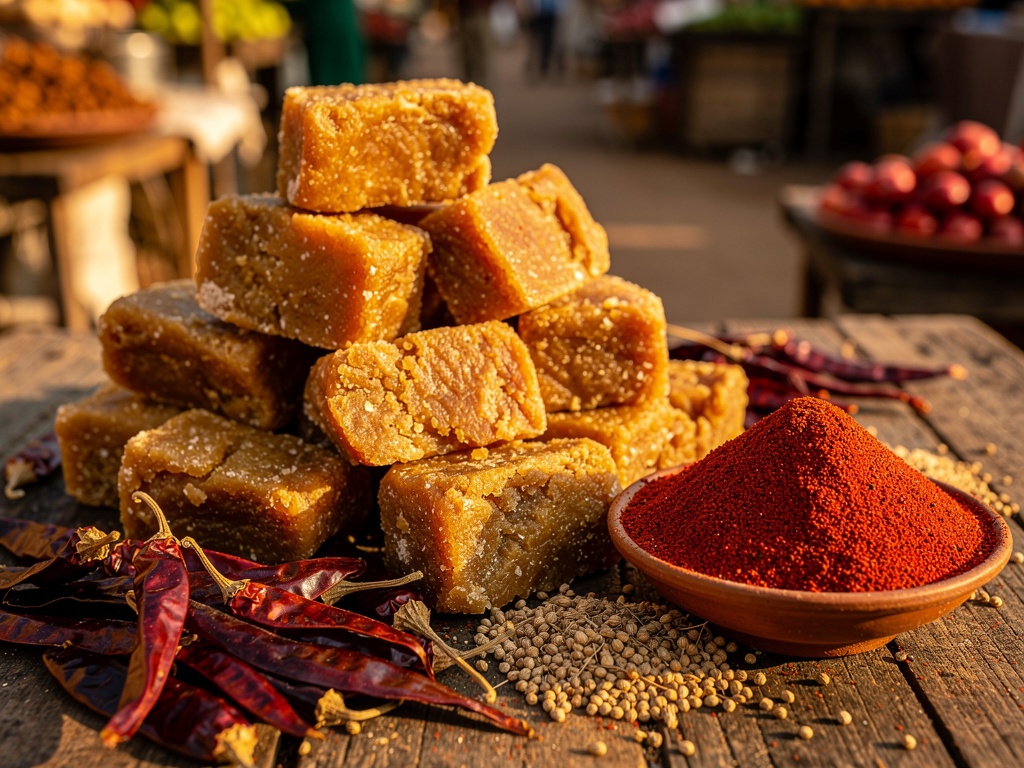
Kolhapur sits in the heart of Maharashtra's sugarcane belt, and its jaggery (gul) is prized across India — golden, aromatic and less sweet than many others. Buy it in blocks from the market; it keeps well and makes a wonderful gift.
Kolhapuri masala is the other essential — the byadgi-chilli-based blend that powers Tambda Rassa. Every household and shop has its own secret proportions, so buy from a shop that grinds its own and ask for a taste. Kokum (for solkadhi) and tambda masala are excellent companions.
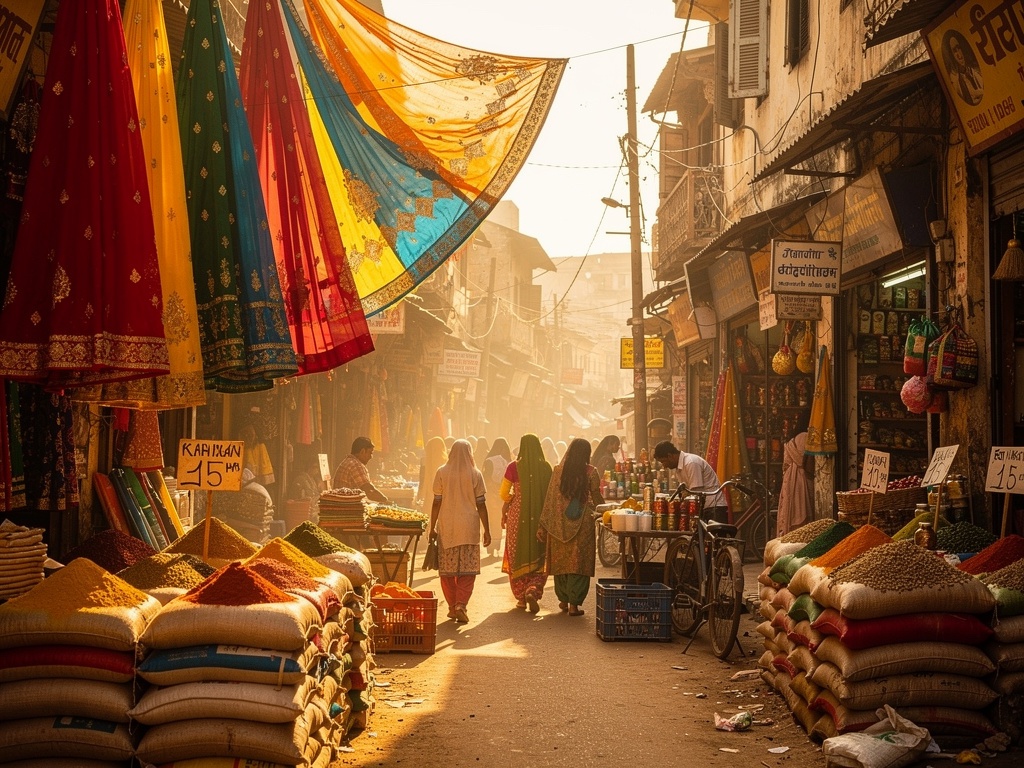
The Mahadwar Road bazaar and the lanes off it are where locals shop — fabric, spices, brassware and sweets all in one bustling stretch.
Watch the craft being made
The real magic of Kolhapur shopping is watching the work happen. Chappal workshops cluster around the old town, where artisans cut, stitch and finish by hand. Saaj workshops are quieter and more specialist — some are happy to show visitors the beating and soldering, though it is worth asking politely and buying something if you linger.
For a structured experience, the Shahu Udyog Bhavan and the Chappal Market are good starting points, and many hotels can arrange a short workshop visit. Be respectful of working artisans — a small purchase goes a long way toward a warm welcome.
Bargaining & etiquette
- Prices in established shops are usually fair; bargaining is for the bazaar.
- Carry cash — many workshops and small shops prefer it.
- Buying directly from artisans supports the craft and the community.