Stories from Kolhapur
The deep dives — festivals, wrestling, reform, food trails and the seasons of the Sahyadris.
The miracle of Kirnotsav: when the sun bows to Mahalaxmi
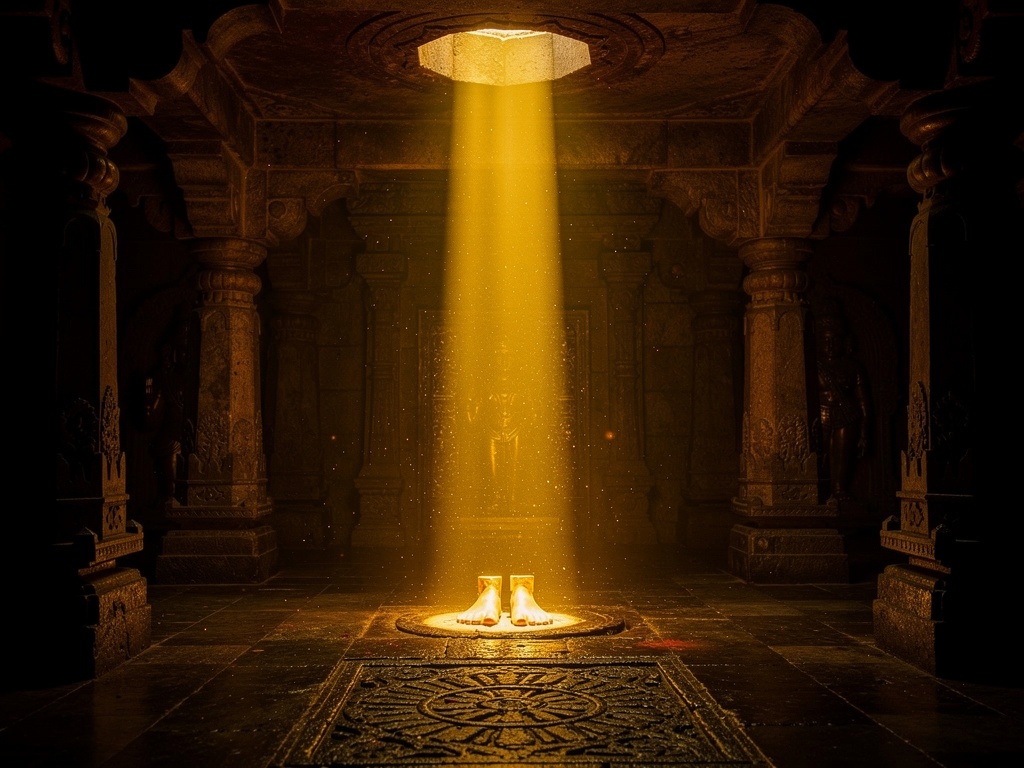
Twice a year, for a window of about ten minutes, the setting sun sends a beam of light through a specific opening in the Mahalaxmi Temple and it falls directly on the feet of the idol. This is Kirnotsav — the festival of the sun-ray — and it draws thousands of devotees who come to witness the goddess being "worshipped" by the sun itself.
The phenomenon is a marvel of ancient architecture: the temple was aligned so precisely that the rays arrive at the same moment each year. It happens around August–September (and again in the spring), and the exact dates shift slightly each year — check locally before planning.
Expect crowds, devotion and a genuinely moving sight. Arrive early for a good spot, and be prepared for a long, patient wait. It is one of those experiences that makes Kolhapur feel less like a tourist stop and more like a living faith.
Kushti: the mud of champions

Kolhapur is one of India's great wrestling cities. The Khasbag Maidan and the akhadas around it have trained champions for generations, and the sport — kushti — is woven into the city's identity. The wrestlers train in shallow mud pits, their bodies oiled, in a discipline that is part sport, part spiritual practice.
Visitors can watch morning training at the akhadas (the famous Khasbag wrestling ground is the easiest to find). Be respectful: these are working training grounds, not tourist shows. A quiet presence and a respectful distance are appreciated, and if you are invited to watch a bout, you are seeing something special.
Shahu Maharaj himself was a passionate patron of wrestling, which is why the tradition remains so strong here. It is a living link between the royal past and the present.
Shahu Maharaj, the reformer king
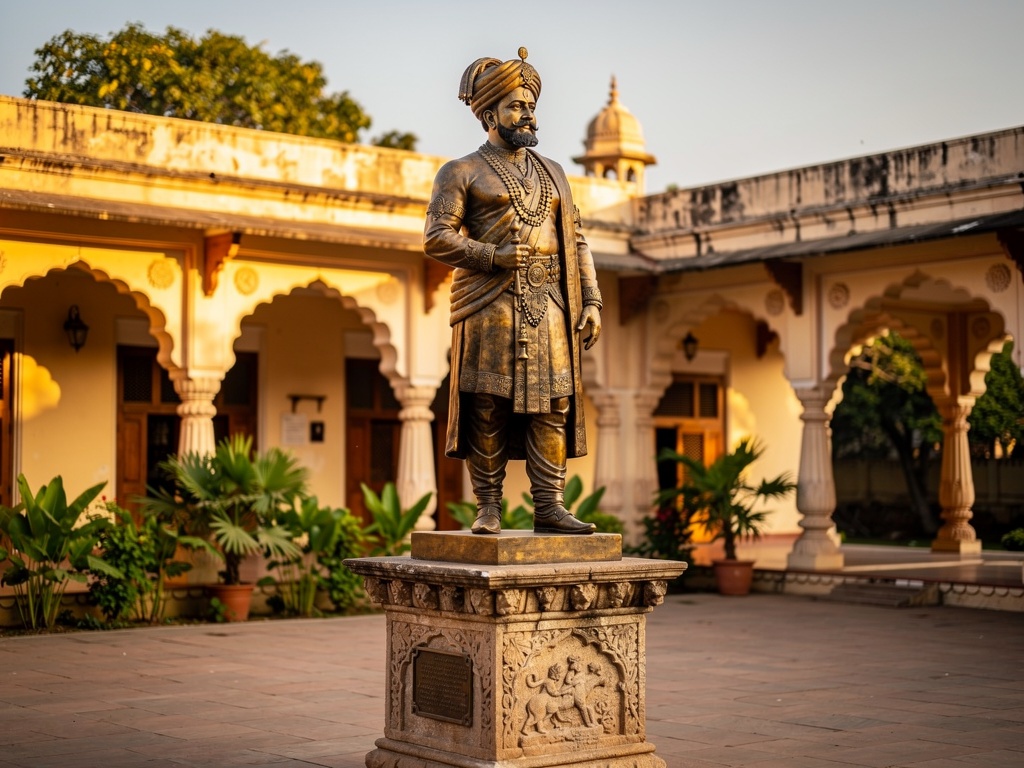
Most visitors come to the New Palace for the architecture and the hunting trophies. But the most important thing in the building is an idea: Chhatrapati Shahu Maharaj (1874–1922) was one of the most progressive rulers of his age.
Shahu introduced reservations for lower castes in education and government employment decades before independent India did the same. He made education free and compulsory, supported the non-Brahmin movement, and worked to break caste barriers in a deeply hierarchical society. His reforms earned him respect far beyond Kolhapur — he is remembered as a champion of social justice across India.
Standing in the palace he built, it is worth remembering that this man used his throne to dismantle privilege. It is a layer of Kolhapur's story that makes the city genuinely distinctive.
A food trail through the old town
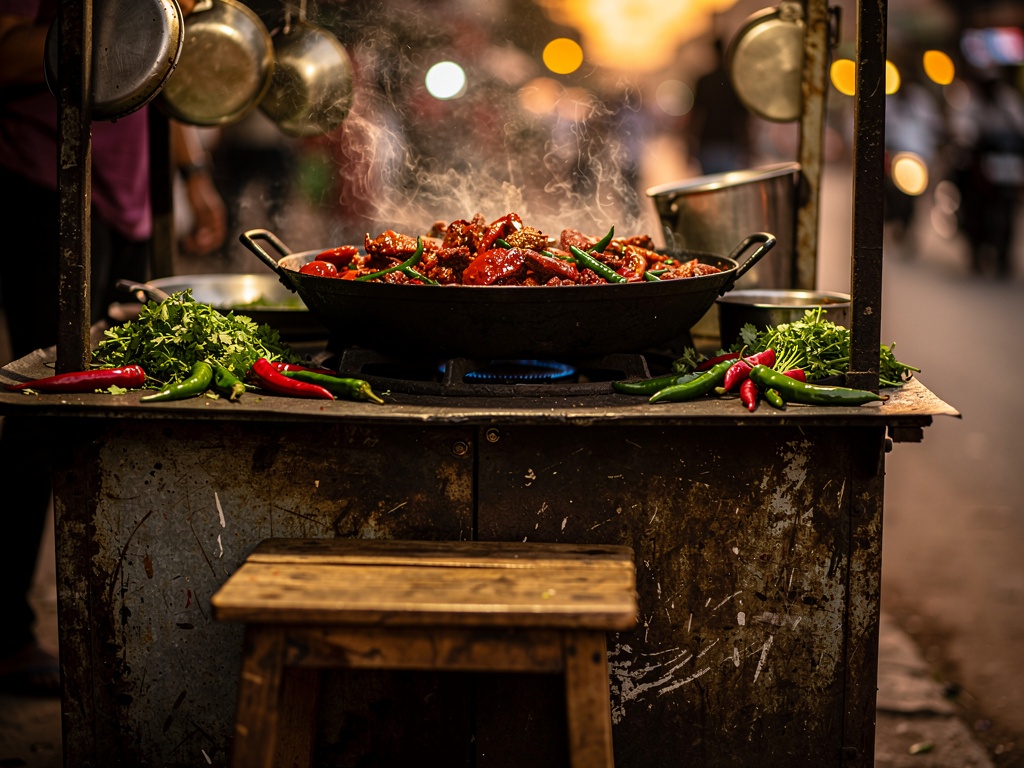
Start with misal pav for breakfast, then walk the lanes near Mahadwar Road. Stop for kanda bhaji and a cutting of tea, then a vegetarian thali for lunch. In the afternoon, try kharvas from a sweet shop — it is a Kolhapur speciality you will not find elsewhere. For dinner, order the Tambda and Pandhara Rassa together and finish with solkadhi.
The full trail is in the food guide, with heat levels and where to go. Come hungry — this is a city built to be eaten.
Monsoon in the Sahyadris: Kolhapur's greenest season
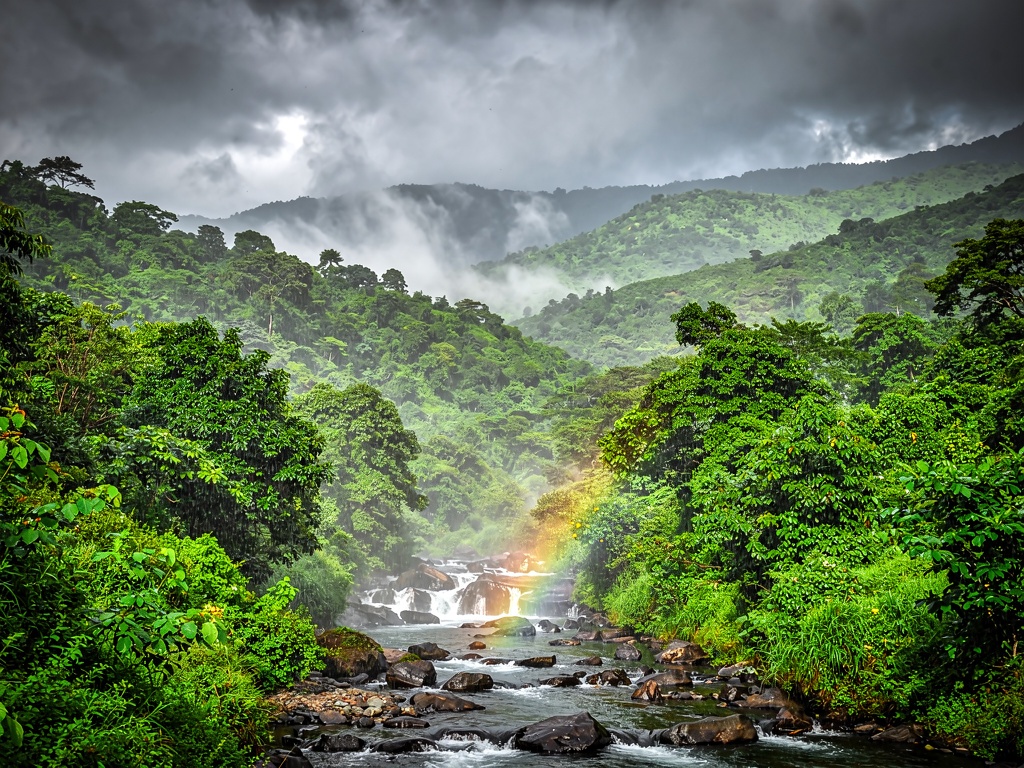
From June to September, the ghats around Kolhapur turn impossibly green. Waterfalls appear on every cliff, the sanctuary is at its lushest, and Panhala disappears into drifting cloud. It is the most photogenic season — and the most demanding.
Plan around the rain: mornings are often clearer, ghat roads can close after downpours, and leeches are a real thing on forest walks. But for those who love dramatic landscapes, monsoon Kolhapur is unforgettable. Check the season guide for the full picture.
Read the practical guides
Stories are lovely — but here is how to actually plan the trip.
Open the travel guide